The material is available only to
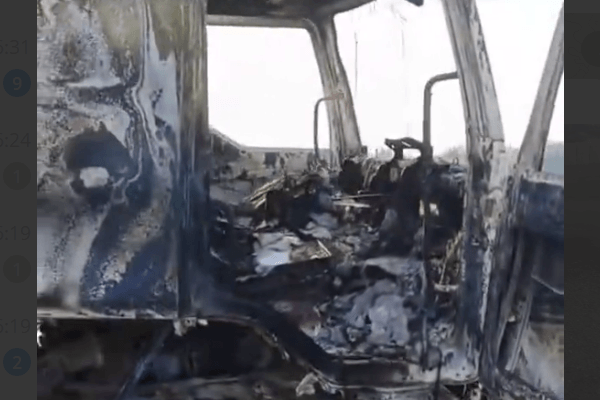
POZIRK+Two Belarusian trucks come under drone attacks in Russia
The material is available only to
POZIRK+
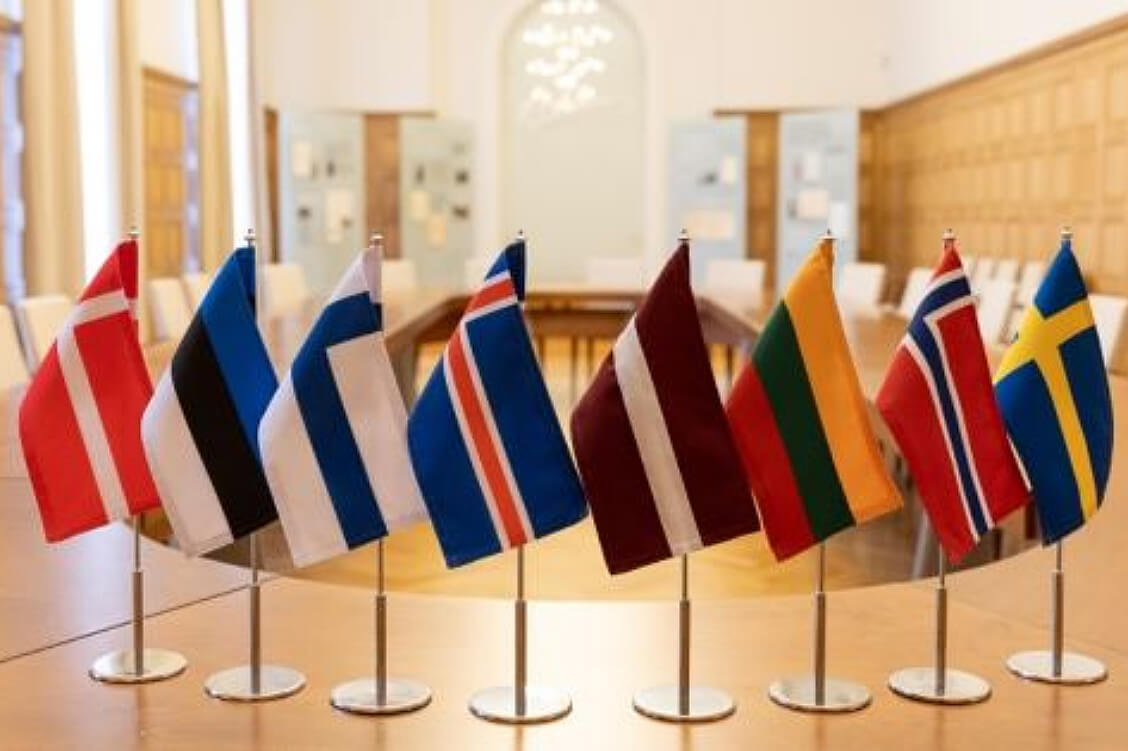
April 30, Pozirk. Countries of Northern Europe and the Baltic Region will not revise their relations with Belarus until it stops facilitating Russia’s war against Ukraine and ends politically motivated persecution and hybrid attacks on neighbors, the foreign ministers of Nordic-Baltic Eight (NB8) say in a joint statement published on April 30.
“Belarus remains an accomplice in Russia’s war of aggression and continues internal repressions and hybrid activities against its neighbours,” the statement says. “Until this ends, we will not revise our relations. We continue supporting Belarusian democratic forces.”
The foreign ministers pledge to “continue increasing pressure on the Russian and Belarusian economies through trade measures and tariff policy,” adding that “systemic violations of international law weaken the trust necessary for economic and institutional cooperation.”
Nordic-Baltic Eight consists of Denmark, Estonia, Finland, Iceland, Latvia, Lithuania, Norway, and Sweden.
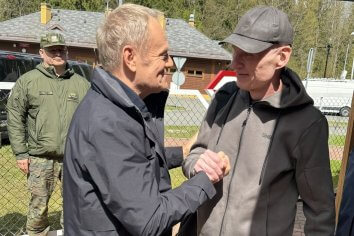
Following Tuesday’s five-for-five prisoner exchange between Poland and Belarus, Lithuanian Prime Minister Inga Ruginienė said she intends to meet with her Polish counterpart to discuss the possibility of higher-level political contacts with Minsk.
She is scheduled to meet with Donald Tusk in June.
Minsk has long insisted on political-level engagement, but Lithuania has rejected direct diplomatic talks, having significantly downgraded official contacts after what it described as Belarus’ rigged 2020 presidential election.
Until recently, Vilnius viewed political negotiations with Minsk as an attempt to break the international isolation of Alaksandar Łukašenka’s regime and potentially pave the way for easing sanctions. However, after Poland successfully secured the release of several high-profile prisoners through engagement with Minsk, Lithuania now appears to be reassessing its position.
“We have our own agenda and act in accordance with our goals. We have publicly stated that we don’t see a problem in organizing such a meeting [of deputy prime ministers] if certain conditions are met,” Ruginienė was quoted as saying.
John Coale, US special envoy for Belarus, called for political-level talks between Vilnius and Minsk last month. He urged both countries’ diplomats to begin resolving existing issues and to facilitate trade with the European Union and the United States, including exports of Belarusian potash fertilizers.
Conditions for engagement with Minsk, previously outlined by Ruginienė, include long-term solutions to incursions by cigarette-smuggling weather balloons, irregular migration, and stranded trucks—the latter issue appears to have been resolved with Coale’s assistance.
Notably, Poland has recorded a sharp decline in irregular migration from Belarus since it began negotiations with Minsk.