The material is available only to
POZIRK+Cichanoŭski’s reform proposal is a hard sell
The material is available only to
POZIRK+
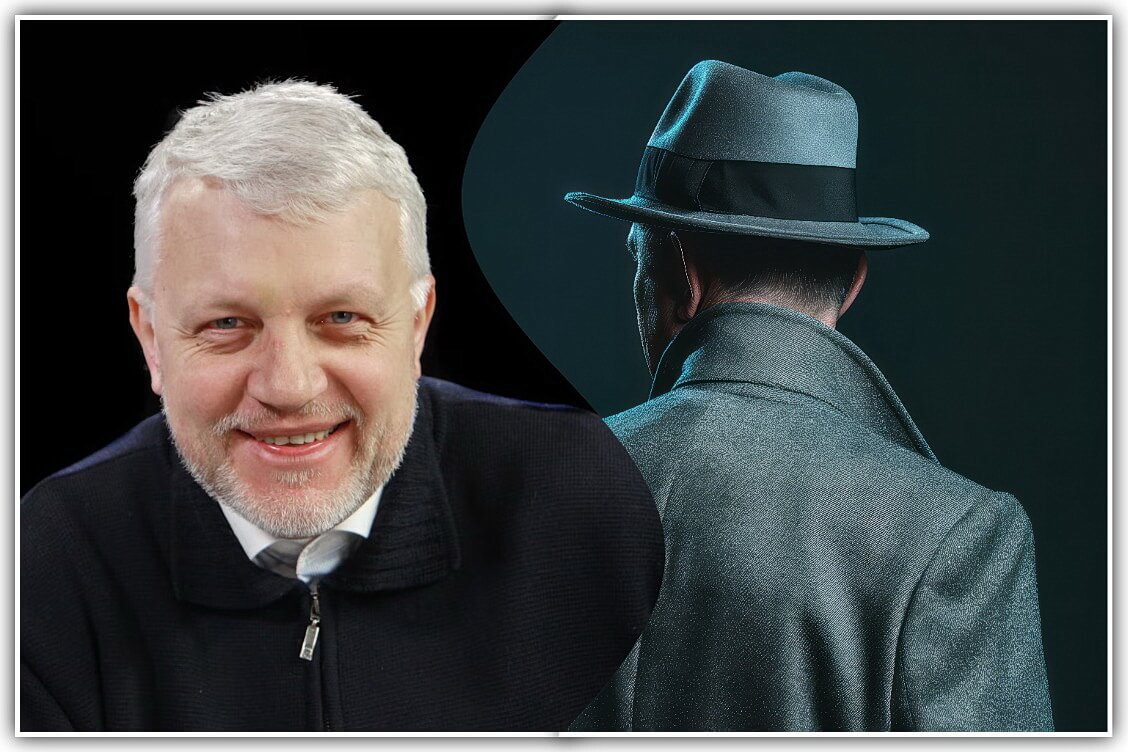
July 20 marks 10 years since the assassination of Belarusian journalist Pavieł Šaramiet in Kyiv. Those who ordered the attack have not yet been identified. At least seven Belarusian journalists have died in mysterious circumstances during Alaksandar Łukašenka’s rule, which has been marked by relentless attacks on media freedom.
Majsienia worked in television in the 1980s and as a print journalist in the 1990s. He headed the East-West think tank when he died in a car accident. Some of his associates suspect that he may have been murdered because of his public opposition to Łukašenka’s bid to expand his powers in a 1996 referendum.
Majsienia was driving home from Rome, where he had attended an international conference, when his Jeep Cherokee SUV crashed into the back of a 3.5-ton GAZ-53 truck.
Police decided against opening an investigation, saying he had fallen asleep at the wheel. Some of Majsienia’s associates, including former Interior Minister Juryj Zacharanka, who would disappear three years later, suspected that he had been murdered.
The cameraman disappeared on July 7, 2000, after leaving his home to pick up Šaramiet from Minsk International Airport. His car was later found near the airport.
He was 27 years old at the time of his disappearance.
From 1994 to 1997, Zavadski worked as Alaksandar Łukašenka’s personal cameraman before joining Russia’s ORT TV channel.
In the spring of 1997, he was arrested and charged with illegally crossing the Belarusian-Lithuanian border while filming a report with ORT journalist Pavieł Šaramiet, who was murdered in Kyiv in 2016.
In late 1999 and early 2000, Zavadski continued collaborating with Šaramiet and worked in Chechnya on the documentary Chechen Diary.
Two years after his disappearance, former commando Valeryj Ihnatovič and Maksim Malik were found guilty of abducting Zavadski and sentenced to life in prison in a closed-door trial. In 2004, prosecutors suspended the investigation into Zavadski’s kidnapping because his body had never been found.
Łukašenka later denied involvement in a series of high-profile unsolved political kidnappings in 1999 and 2000, including the disappearance of Zavadski as well as his opponents Viktar Hančar, the former chairman of the Central Election Commission, businessman Anatol Krasoŭski and former Interior Minister Zacharanka.
The Belarusian ruler blamed Zavadski’s disappearance on his links with Ihnatovič, who was allegedly unhappy with how he was portrayed in the Chechnya documentary.
Čarkasava was murdered in her Minsk apartment on October 20, 2004. Her body was found with more than 40 stab wounds, most of them around the neck, and a knife blade lodged in her chest. The killer took no money or valuables but left a trace of blood in her address book.
Her last job was at the independent newspaper Salidarnasć. She had worked for a variety of Belarusian and Russian periodicals and often criticized the totalitarian regime in Belarus and Łukašenka.
Investigators initially focused on a domestic violence theory, identifying her son and stepfather as suspects, but her colleagues said she might have been killed because of her work. The case remains unsolved.
The body of the 67-year-old journalist for the opposition newspaper Narodnaja Vola was found in his home in Zasłavl, Minsk district, on October 18, 2005. His brother said he had seen blood stains on Hrodnikaŭ’s head and on the walls, as well as a broken stool.
Prosecutors did not open a criminal case, saying his death had been accidental because the house had been locked from the inside.
Fellow journalists did not rule out the possibility that he had been murdered while gathering material for an article on a sensitive topic.
Prosecutors said that the 36-year-old manager of the opposition website Charter 97 had committed suicide, but those who knew him could not accept that conclusion.
Shortly before his death, he had returned from Greece, where he had been on holiday with his family.
He was found hanged at his country house in the Dziaržynsk district. Investigators found no evidence of a violent death.
He died just over three months before a presidential election and was expected to become opposition candidate Andrej Sannikaŭ’s campaign manager.
Ten years after Belarusian-born journalist Pavieł Šaramiet was killed by a car bomb in Kyiv, Ukraine, on July 20, 2016, the investigation into his death remains unresolved, according to RSF.
The 44-year-old journalist had been living in Ukraine since 2014 and was notably a contributor to the Ukrainian online news outlet Ukrainska Pravda.
On the morning of July 20, 2016, Šaramiet took the car belonging to his partner and Ukrainska Pravda co-founder Olena Prytula and set off to host the morning show on Radio Vesti. At 7:45 a.m., an explosive device planted under the driver’s seat the previous day detonated. The journalist, a critic of the Belarusian regime, was killed instantly.
A preliminary murder investigation was opened in Ukraine, but the case has been marked by inconsistencies.
Ten years later, according to the investigative outlet Slidstvo.info, one of the main lines of inquiry currently pursued by Ukrainian police is that the journalist was killed “because of his professional activities, notably in Belarus.” Overall, however, the investigation is “virtually at a standstill,” says Anna Babinets, director and co-founder of the outlet, which has worked extensively on the case.
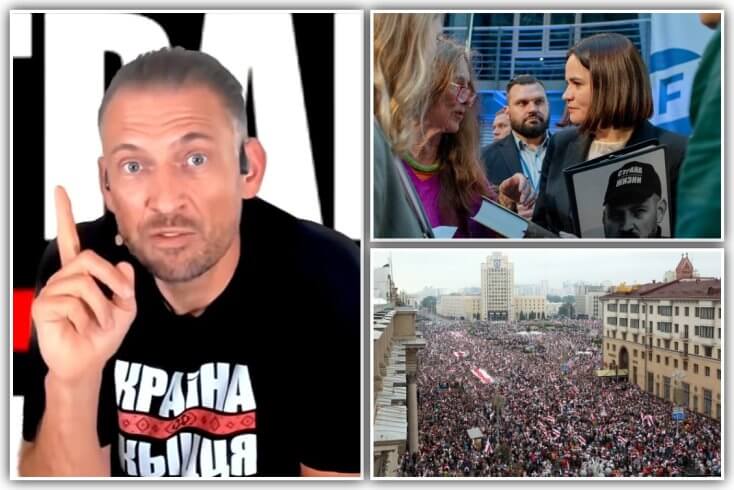
Miełkazioraŭ died on December 21 at the age of 37. The journalist had been living in Warsaw, where he had moved out of fear of politically motivated persecution in Belarus following the crackdown on the 2020 postelection protests.
His Zhizn-Malina YouTube channel, which had nearly 100,000 followers, featured interviews with prominent Belarusians. Minsk blacklisted the channel as extremist content.
Polish prosecutors are investigating the journalist’s death. Investigators say it is believed to have been nonviolent.
After announcing his presidential bid in 1994, Łukašenka criticized state-controlled media as biased and promised to safeguard media freedom if elected.
After taking office, he did the opposite. His government has persecuted journalists and media outlets throughout his more than 30 years in power and eventually declared all independent media extremist, forcing hundreds of journalists into exile.
Journalism has always been a dangerous profession under Łukašenka. Many prominent media figures have died during his rule, with the stress of the job arguably contributing to shortened lives.
The late journalists who made their mark include Ihar Hiermiančuk of Svaboda, Piotr Marcaŭ of BDG, Aleś Lipaj of BelaPAN and Juryj Zisser of tut.by.
Repression targeting journalists intensified after mass protests against fraud in the 2020 presidential election. The authorities have unleashed a full-scale assault on independent media, raiding editorial offices, blocking websites, shutting down media organizations and jailing journalists.
Independent journalists have faced a stark choice: leave the profession or go into exile. Many of those who refused to quit and stayed in the country ended up in prison.
At least 21 media workers remain behind bars, according to the Belarusian Association of Journalists.