The material is available only to
POZIRK+Permissions required to raise white-red-white flag over Grunwald battlefield
The material is available only to
POZIRK+
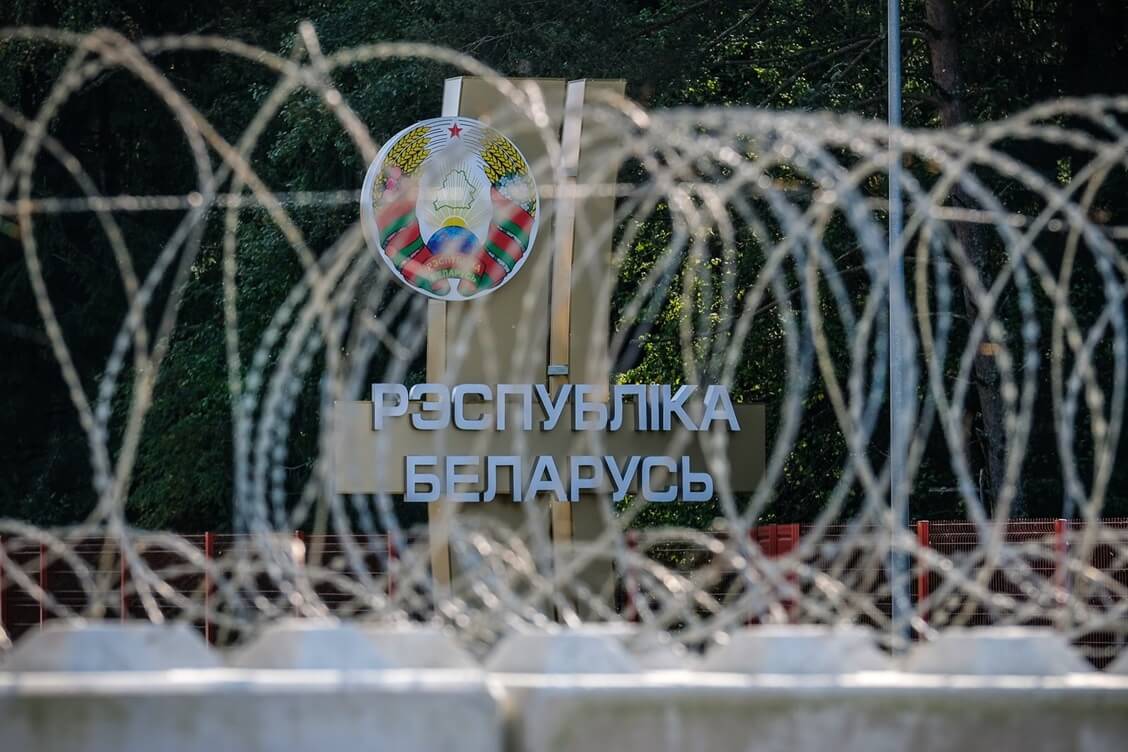
July 16, Pozirk. Latvia has instituted criminal proceedings against unnamed Belarusian officials suspected of involvement in human trafficking in connection with irregular migration by third-country nationals via Belarus into Latvia.
The investigation into “purposeful activities of a criminal organization that includes Belarusian border officials” is conducted by the State Security Protection Department of the Prosecutor General’s Office.
Investigators suspect Belarusian border officers of coordinating cross-border human trafficking and damaging Latvian border infrastructure.
The Prosecutor’s Office stressed that irregular migration appears to be a crime against the state rather than sporadic incidents.
Latvia has come under intense pressure this year, reporting more than 8,000 irregular crossings. By contrast, Belarus’ other European Union neighbors, Poland and Lithuania, have registered fewer than 1,000 incidents each so far.
Latvia has accounted for around 94 percent of incidents involving third-country migrants entering from Belarus.
Most migrants entering Latvia travel through Lithuania and Poland to Western Europe with Germany being their primary destination, said the Lithuanian State Border Guard Service.
Meanwhile, Belarus has been conducting its own investigations into alleged crimes against migrants committed by Polish, Lithuanian and Latvian officials.
Investigators had identified more than 342 victims, including 55 migrants who had perished, Alaksandar Rudźko of the Investigative Committee, said in April 2025.
Minsk consistently blames Polish, Lithuanian and Latvian officers for pushbacks and the suffering endured by third-country nationals trying to cross from Belarus into the EU to seek asylum.
However, a report by Oxfam and the Egala human rights group, released last year, stated that migrants attempting to cross into the EU from Belarus face pushbacks and violence on both sides of the border.
In Belarus, migrants are at times detained in camps or forced to establish makeshift shelters in the forest.
“Many are consequently gathered by uniformed personnel and coerced to cross the border at specific points. … People on the move report being prevented by Belarusian forces from leaving the border region or returning to the capital, Minsk, meaning they have no option to escape the cycle of violence in the Sistema, except by attempting to cross into Poland.”
“The policy of pushbacks, together with extensive border fortifications on the Polish side – including a five-meter-high border fence topped with razor wire – can trap people in the border area, known as the Sistema or ‘death zone,’ for days, weeks, or even months,” the report stressed.
“Both those detained in camps and those apprehended by Belarusian forces in the forest report being subjected to violence and extortion, as well as deprivation and confiscation of water, food, and shelter,” the report added.
The nonprofits documented accounts of theft, extortion, threats with firearms, psychological humiliation, beatings, use of dogs to intimidate or injure people and torture, including waterboarding and electrocution.
“Women and girls face particularly extreme risks, with numerous reports of sexual abuse by Belarusian forces, including rape and gang rape,” the rights defenders said.
The flow of people eager to cross into the EU surged in spring 2021 after Alaksandar Łukašenka, angered by EU sanctions, had indicated that Minsk would not prevent asylum seekers from Africa and Asia from using Belarus as a route to the EU.
In June 2021, the Belarusian government suspended a readmission agreement with the EU in response to sanctions that followed the forced landing of a Ryanair flight in Minsk.
Latvia, Lithuania and Poland call the migration crisis a “hybrid attack” orchestrated by Minsk and Moscow.