The material is available only to
POZIRK+Turkish flights land in Minsk amid Ukrainian drone attacks
The material is available only to
POZIRK+
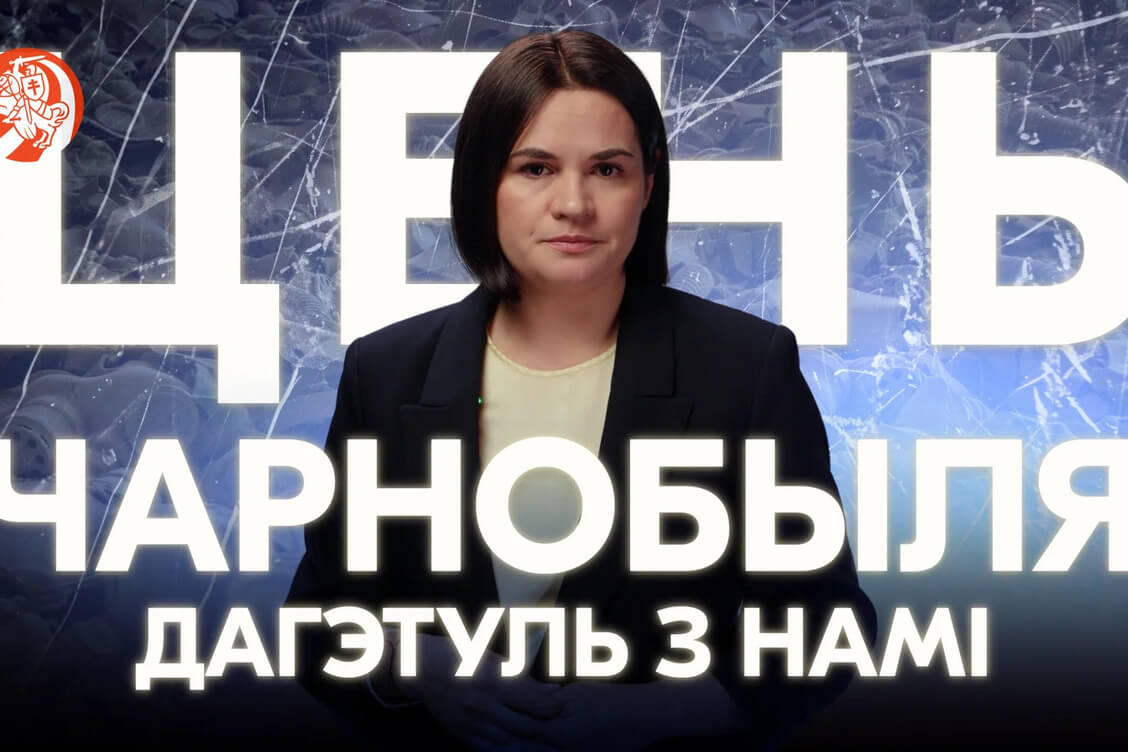
April 26, Pozirk. The same irresponsible government is in power in Belarus as 40 years ago, said opposition leader Śviatłana Cichanoŭskaja in her statement on the 40th anniversary of the Chernobyl nuclear disaster.
“Today’s government in Belarus acts like the Soviet authorities after the Chernobyl disaster. The Astraviec nuclear power plant was built without proper international oversight, and when incidents occurred there, authorities tried to sweep them under the rug and pretend as if nothing happened,” she said, recalling the Soviet government even had held mass parades in the affected areas four days after the explosion.
Cichanoŭskaja was a three-year old child living in the Mikaševičy district, some 200 kilometers from Chernobyl, when the No. 4 reactor exploded at the Chernobyl Nuclear Power Plant in the early hours of April 26, 1986.
“I don’t remember the explosion, but I remember that its long shadow lived with us later.”
“Doctors often visited us at school, examining the thyroid gland especially closely. Iodine became an everyday thing, something that must be taken for granted. Many Belarusians carry the imprint that they were born on land contaminated with radioactive substances.”
Although the plant is located in Ukraine, about 70 percent of the radioactive fallout landed in Belarus, heavily contaminating one-fourth of the country, one-fifth of its agricultural land and affecting at least seven million people.
Radioactive contamination completely emptied 479 settlements and affected 56 districts, 3,600 settlements with a population of about 2.5 million, including 1.5 million children.
Belarus managed to reclaim over 1 million hectares of the total contaminated area of 1.866 million and restore 1,657 (45 percent) of the 3,251 contaminated settlements to normal conditions.
Authorities claim they have not detected milk with excessive Caesium-137 levels since 2014 and meat since 2021.
The state register of individuals exposed to radiation contained about 800,000 people.
Incidence of thyroid cancer surged after the accident, but has now decreased to “the average population level,” according to an official report.
The government spent more than $19 billion on Chernobyl consequences alleviation programs from 1990 to 2025.