The material is available only to
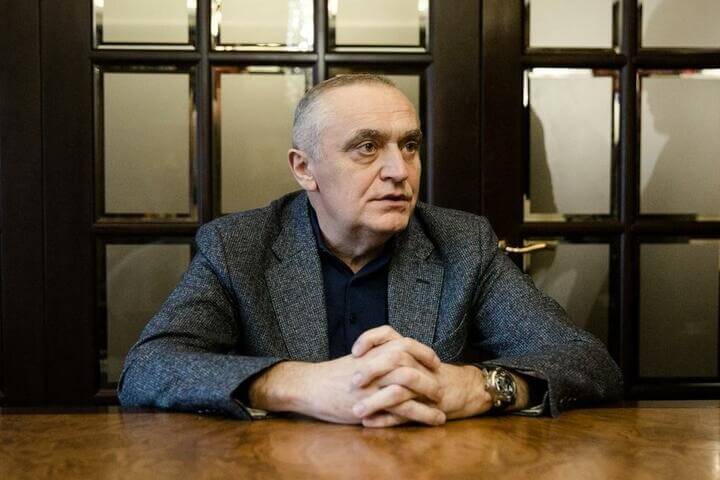
POZIRK+EU-blacklisted businessman says he wants no gifts from state
The material is available only to
POZIRK+
March 28, Pozirk. Belarus’ population fell by 1.1 million to 9.1 million on January 1 from 10.1 million on the same day in 1995, according to Pozirk‘s analysis of data from Biełstat.
The urban population shrank by 3.5 percent to 6.93 million, while the rural population contracted to 1.93 million.
The Minsk city was the only region to register growth of 19.9 percent to 1.99 million.
All other regions posted a decline. The Viciebsk region recorded the sharpest fall, losing almost a quarter of its population. It contracted by 24.8 percent to 1.07 million in 30 years.
Officials, including Łukašenka himself, have repeatedly said that Belarus should increase its population to at least 30 million. In a February 2008 interview with Russian journalists, he said:
“I see my country as a stable state, where 13 million people will live in 10 years, not 10 million, but we actually need 25-30 million for full independence and sovereignty.”
Despite this ambition, the population continued to decline, from 9,542,412 at the beginning of 2008 to 9,495,608 by early 2010, a decrease of 46,804.
In September 2010, Łukašenka, expressing concern about the trend, reiterated the importance of increasing the population to 30 million: “If we continue to fail at growing the population, we will fail as a state. Ten million people is insignificant for this vast territory.”
By early 2011, the population had dropped to 9,472,064, a decline of 23,544 for the year. In October 2011, speaking at the Eurasian Congress of Cardiologists, Łukašenka adjusted his goals: “We need at least 20 million, or preferably 30 million. We can feed so many people.”
By the early 2020s, the 15-million target was no longer a firm goal. In 2021, during a speech in Brahin, Homiel region, Łukašenka said: “We need 15 million people. Belarus can even feed 20 million. But for now, we have what we have, less than 10 million.”
Population growth was a key focus of Łukašenka’s 2006 election platform, which included an entire section on the issue. In the 12 years leading up to that election, Belarus’ population had decreased by 613,152, dropping to 9,630,354.
Also read: Łukašenka’s 30-year rule sees 10-percent population decline
Authorization
Exit profile