The material is available only to
POZIRK+Budget 2027: Guns before butter
The material is available only to
POZIRK+
Alaksandar Łukašenka has signaled to Washington that he remains interested in a possible “grand bargain,” even as the deal appears to be slipping away. John Coale, the US special envoy for Belarus, did not visit Minsk in mid-October as expected. His previous visit in mid-September fell short of expectations, as Minsk released just 25 prisoners instead of the hundreds reportedly anticipated.
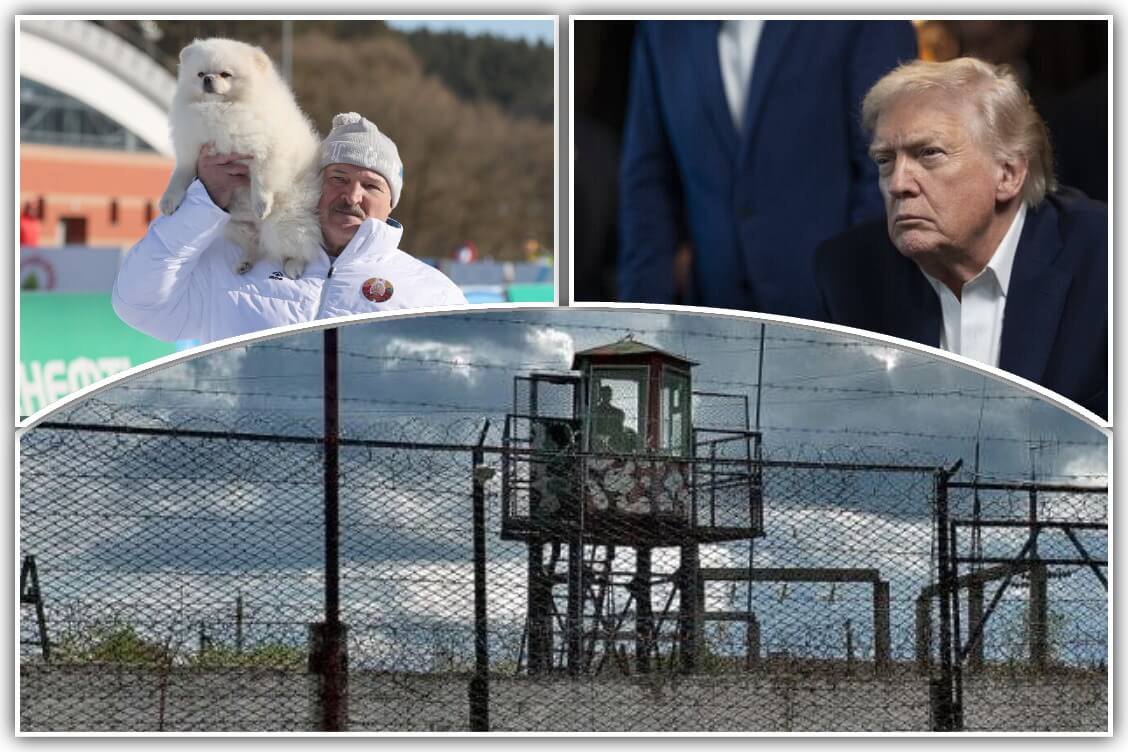
US envoy Coale has repeatedly called on Minsk to ease political repression, but there has been no sign of a change in policy.
On September 15, Łukašenka made clear that he would not compromise on this issue.
He strongly denied the existence of political prisoners in Belarus, arguing that the country had no criminal laws specifically targeting political activity.
“If a citizen of Belarus or a non-citizen present here breaks Belarusian laws, we will surely respond according to law. If they deserve to be under investigation or at correctional labor colonies, they will be there,” he told Coale.
At a meeting with officials on October 22, the Belarusian ruler expressed discontent that “certain problems have been overemphasized, such as the release of what they call political prisoners for sanctions removal.”
Łukašenka appears to believe that Washington is asking too much, particularly by demanding an end to political repression, while offering too little in return.
“We on our part have scrupulously fulfilled what we promised to the Americans. Then [in September] we pointed out to the [US] delegation that we would like the Americans to fulfil our agreements 100 percent,” he said.
He added that the sides had agreed to allow one month for both parties to deliver on their promises before beginning a new round of negotiations.
Reporting on Łukašenka’s meeting with Coale in mid-September, the Belarusian ruler’s press office quoted the US envoy as saying that funds “stuck” at Citibank must be “unfrozen and returned” to Belarus.
“We have requested from them as to why they are not releasing the money that we support one hundred percent should be released,” Coale said in a video published by Łukašenka’s press office. “When we get that answer, then we will come back to them to make the mechanism to release the money or toward whatever is necessary to get that released.”
The amount in question is reportedly around $44 million.
According to Valancin Rybakoŭ, a key Belarusian diplomat involved in the negotiations, officials are still working to secure the release of the funds and the lifting of restrictions on international transfers.
However, this is not the main sticking point. Minsk expects Washington to arrange for potash transit through a Baltic country, potentially via Lithuania’s port of Klaipėda.
After visiting Minsk on September 15, Coale met with senior officials in Vilnius and Riga. He told The New York Times that a deal on potash fertilizers was at an advanced stage, adding that the United States wanted to buy Belarusian crop nutrients. He said he had met with the Lithuanian president and planned to meet with his Latvian counterpart to bring all parties onto the same page.
The New York Times reported that Washington hoped the European Union would allow Belarus to resume potash transit through Lithuania, potentially helping to lower global prices.
However, Lithuanian President Gitanas Nausėda made clear last month that Vilnius would not immediately lift sanctions.
“We have our position, and we have made it clear,” Delfi quoted him as saying. “In some cases, it aligns with the European Union’s position. The ban on the export of Belarusian fertilizers is in effect at the EU level. It has been extended for 12 months, and we will revisit the issue early next year, when Lithuania holds the presidency of the EU Council.”
EU sanctions against Belarus have been extended, with the measures due for review in February during Lithuania’s presidency of the EU Council.
Belarus previously shipped potash fertilizers through Latvia’s port of Ventspils as well.
Washington could use its influence with EU member states to advance Minsk’s interests, Rybakoŭ told state media journalists on October 22. The United States could help move “certain issues” related to Belarus’ cooperation with Europe in a more positive direction, he added.
Łukašenka appears concerned that his refusal to compromise could cause the “grand bargain” to slip away.
In early October, US President Donald Trump announced that Coale, the special envoy for Belarus, would also serve as his special envoy for hostage affairs.
“John has already secured the return of over 65 Americans and Allied Citizens from Belarus over the last year, and negotiated the release of more than 800 political prisoners from multiple countries in Eastern Europe. He will work tirelessly in this new post to bring American Citizens home,” Trump said on Truth Social. The nomination still requires Senate confirmation.
If confirmed, Coale may have less time and energy to devote to Belarus in his new role. The White House could eventually abandon efforts to reach a deal with Minsk and shift its focus to more promising opportunities elsewhere.
Washington’s interest in buying potash fertilizers from Belarus should not be overstated.
Russian President Vladimir Putin told US Special Envoy Steve Witkoff in Saint Petersburg on October 21 that Russia could supply the United States with diesel fuel and “large quantities” of fertilizers.
Russia sells nitrogen, phosphate, potash and mixed fertilizers to the United States. From January to August, the US imported more than half a million tons of potash fertilizers from Russia.
Belarus has sent just one shipment to New Orleans, far from enough to meet US farmers’ demand.
Moreover, Łukašenka has repeatedly indicated that nearly all potash fertilizers produced in Belarus have already been contracted for sale.
Russia and Belarus compete on the global potash market. However, Belarus depends on Russian ports for potash shipments to the United States.
The Belarusian ruler wants to extract as much as possible from Washington but risks ending up empty-handed if he refuses to compromise.
He has stopped emphasizing that Belarus has little potash fertilizer available for the US market. Rybakoŭ said Belarus planned to send another shipment to the United States.
The Belarusian diplomat plans to meet with US officials in New York next week. Łukašenka has asked him to convey his best wishes to Coale, his wife and Trump.