The material is available only to
POZIRK+No new date for Coale’s Minsk visit amid ongoing Belarus talks
The material is available only to
POZIRK+
(a reference to A Christmas Carol by Charles Dickens, where the main character is visited by three spirits: of the past, the present and the future)
by Stanislav Krasulin, a MSc in physics
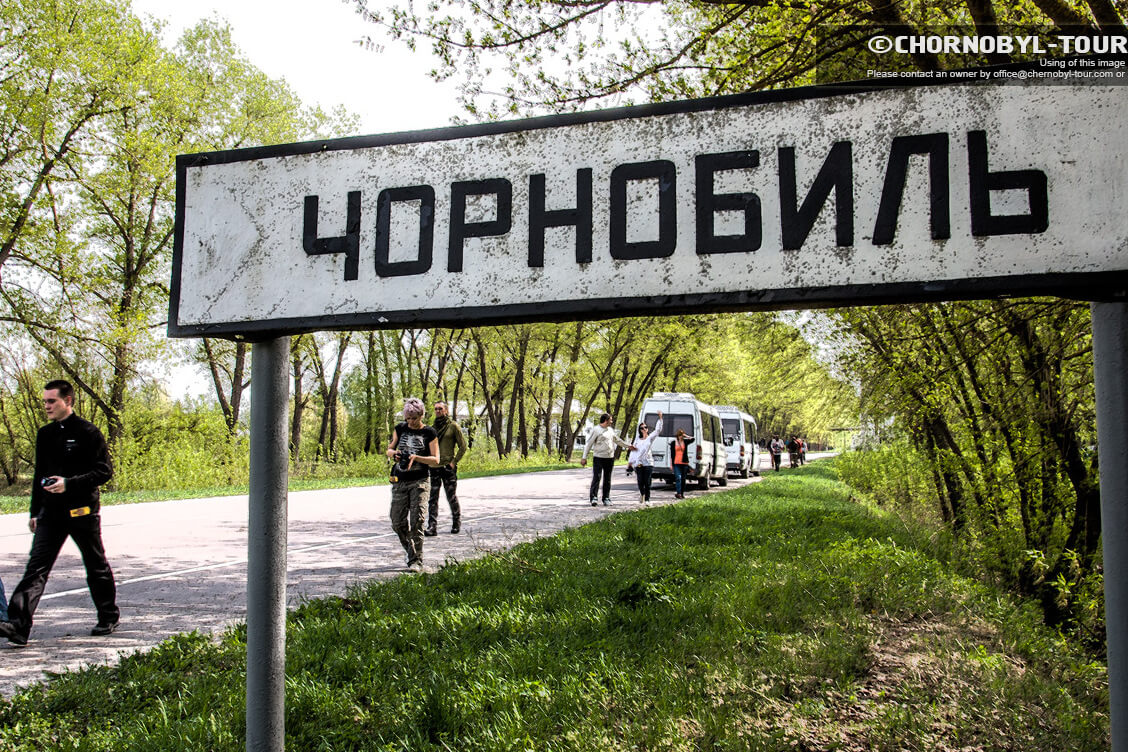
If you were to imagine what the territory around the Chernobyl power plant looks like today, you would think about the abandoned houses with scattered belongings that their occupants hadn’t had time to pack; about empty streets with rusting vehicles and about nature advancing on what used to be towns and villages. And it’s quite likely that your mental picture would also feature armed guards that surround all of that. But contrary to what films and videogames might suggest the perimeter is guarded not to keep some mutated horrors from breaking out, but, rather, to prevent people from sneaking in. And while a small number of those people is seeking adrenaline, most are there seeking profit.
On a slow news day, local TV would fairly frequently report on the number of scrap metal collectors that had been apprehended as they tried to enter or on their way out. And the zone has a lot of metal to offer. Those same abandoned vehicles. Personal electronics. And how much metal is hidden simply within all of the infrastructure that was left with no one to use it? It’s no wonder some people fail to resist the temptation. And it seems somewhat unlikely that such people would continue their attempts if at least occasionally they weren’t successful. An even worse implication follows: if they are stealing contaminated scrap metal, it means someone is buying it from them.
Metal products being contaminated because radioactive material made it into the foundry is far from unheard of. In 1983, a radiation therapy unit had been improperly disposed of in Mexico, resulting in thousands of tons of produced steel being contaminated. The steel in question had been used to produce furniture elements as well as for home construction. Contaminated materials even made it into the United States, where by a lucky accident the detectors at Los Alamos National Laboratory set off the alarms when a truck carrying rebar contaminated with cobalt-60 had driven by. This allowed to trace back the materials and isolate the contamination; but by that time about four thousand people had been exposed to radiation and several hundred buildings, where the radioactive rebar had been used, had to be demolished. Still, about a thousand ton of radioactive steel remained unaccounted for. A similar incident occurred in Taiwan in 1982, but in that case increased radioactivity had been discovered only a decade later, with estimated ten thousand people having been exposed. One can only wonder where the radioactive scrap from Chernobyl ends up.
But it’s not just the human-made objects that are contaminated. The nature that thrives in the absence of humans also soaks up the many radioactive isotopes that forced people to leave. And, well, there are ways to turn nature into money, too. Timber constitutes a considerable part of Belarusian exports, and the rules of money-hungry Łukašenka allow commercial logging even at the state radioecological reserve, aas the Belarusian part of the exclusion zone is called. Safety precautions are limited to a few trees per hectare being tested for cesium. According to scientists involved, up to 70 percent of the trees cleared for cesium wouldn’t meet the requirements for strontium levels that are in force in Russia, and up to 100% wouldn’t meet those adopted by Ukraine. Belarus, however, has no restrictions on strontium in wood, and shipments of dangerous logs are allowed to leave the exclusion zone. Sometimes trucks carrying them are stopped at international borders. Sometimes not. And while Łukašenka’s support for Russian aggression in Ukraine has resulted in international sanctions against the Belarusian forest industry, these sanctions are being circumvented through intermediates and fake documents, that obscure the true origins of the transported timber. For example, export of forest products from Kazakhstan into the EU has jumped by a factor of 74 after the sanctions were introduced, from Kyrgyzstan – by a factor of 18,000. Evidently, potentially dangerous Belarusian timber continues to penetrate global supply chains.
Not all of the wood goes directly for export, of course. Some is used by local factories to make furniture, for example, and then the furniture is exported, sometimes to big-name stores. One of such big names was IKEA, until finally in 2022 an outcry over allegations of the use of slave labour of political prisoners had forced the Swedish brand to terminate contracts with several subcontractor factories based in Belarus. But the factories continue making furniture, now it’s just sold under different brands. A bedside cabinet made by slaves of radioactive wood isn’t a vision of a post-apocalyptic future, but a feature of the Chernobyl’s present.
Same lax attitude is displayed by Łukašenka’s regime towards Chernobyl’s impact on agriculture, another major part of economy. Every year more and more land that was contaminated, is declared clean and approved for agricultural use. Humanity may not possess the technology to decontaminate land, but Łukašenka’s signature apparently does. In the real world, however, certain land actually becomes more radioactive, as a result of plutonium-241 decaying into americium-241.
In addition to forests and land, radioisotopes have contaminated rivers and lakes, which becomes particularly relevant in light of the planned waterway E40, a project to create a transport link between the Baltic and Black Seas. Since it includes the Pripyat River it will require work, excavation and dredging in the exclusion zone, inevitably disturbing the contaminated sediment and letting it flow through Ukrainian rivers and into the Black Sea. In 2022, Łukašenka’s support for the Russian war of aggression prompted Ukraine to suspend cooperation, but by that time some initial dredging had been done in the exclusion zone, yet no assessment of its impact has been carried out.
And the Russian invasion has resulted in additional contamination spread, when Russian soldiers tried to advance through the exclusion zone, digging trenches and driving heavy armoured vehicles, carrying radioactive soil and dust to wherever they headed next.
Moreover, radioisotopes have ways to escape the containment even without reckless attempts to make a profit, lax attitudes to safety standards or overambitious engineering mega-projects. With global temperatures rising, draughts are also becoming more frequent, leading to an increased risk of forest fires. Every year such fires come closer and closer to the exclusion zone. So far firefighters have kept the flames away from heavily contaminated areas, but with Ukraine ravaged by war and the Belarusian regime spending most of its resources on oppressing the population this is an uphill struggle. What if one day firefighters lose the fight? A contaminated forest burning down means a new cloud of radioactive smoke and ash, new areas hit by fallout, new risks to health and lives of people.
So, even today Chernobyl’s danger has ways to enter your house (and inside its walls), onto your table (or inside it, too), into the nearby river or the rain outside. But, maybe, at least Chernobyl disaster was a one-off and nothing like that will ever happen again? Tomorrow, let’s hear from the spirit of Chernobyl yet to come.