Prosecutor says investigation proves higher numbers of Belarus WWII losses
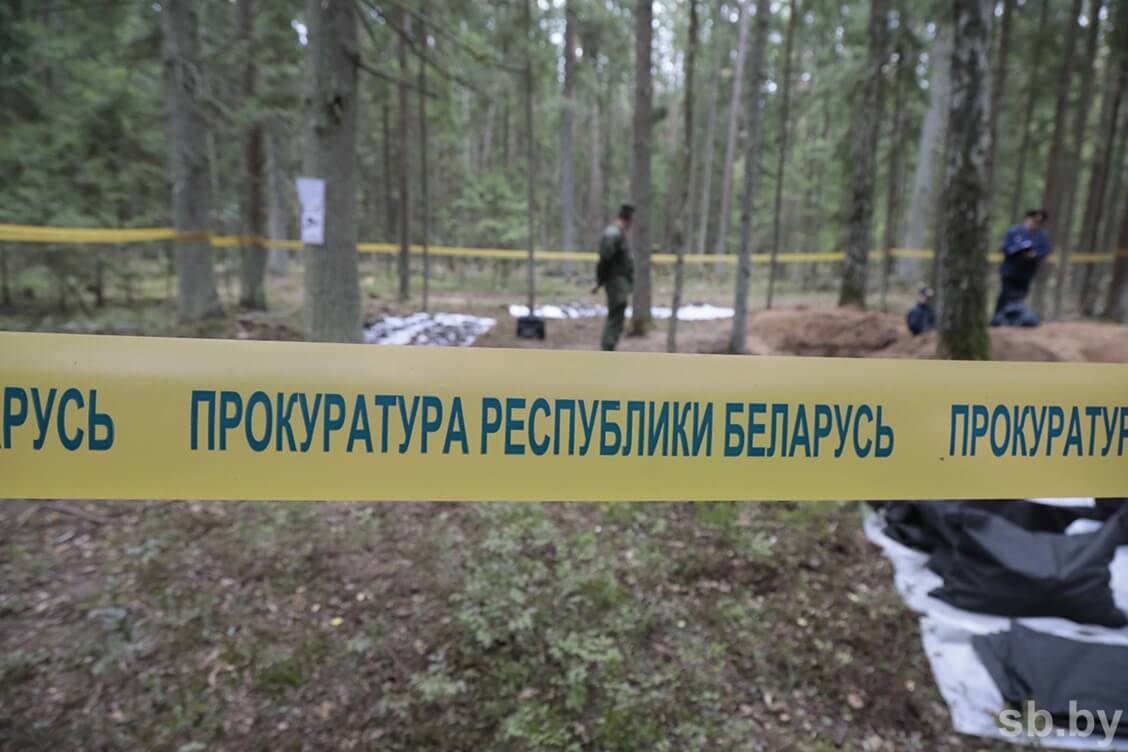
June 26, Pozirk. A criminal investigation into genocide against Belarusians during World War II has established a wider scale of atrocities committed in Belarus during the Nazi occupation than previously assumed, Prosecutor General Andrej Švied told SB. Belarus Segodnya, estimating losses at more than three million.
The Nazi burned down at least 12,348 villages, some together with their inhabitants, he said. This is 3,148 more than 9,200 documented before the genocide investigation.
Investigators proved the operation of at least 560 death camps in Belarus and found evidence of more than 180 large-scale punitive operations, Švied said.
The investigation team has asked the government to make a centralized list of war memorials “to solve cultural, enlightenment and ideological problems” and expand the network of tourist routes, he said.
The prosecutor also seized the opportunity to attack Western democracies.
The investigation is public as Belarusians should know the names of perpetrators and be able to “discern all the similarities and the aggression which currently manifests itself towards Belarus,” Švied said in apparent reference to Minsk’s tension with the West over allegations of human rights abuses and complicity in the Russian war against Ukraine.
“It is clear to us that contrary to the conclusions of the Nuremberg International Military Tribunal . . . the countries of the collective West are failing to help eradicate Nazism and have instead made it part of their domestic policy,” he claimed, citing refusals by Lithuania, Latvia and Poland to provide legal assistance.
The West intends to “solve its problems at the expense of others, including in a military way,” he added, stressing that historical revisionism by the West may become “the first step to an open military invasion.”
Following the 2020 postelection protests, authorities in Minsk have been launched a campaign to highlight the genocidal dimensions of massacres committed by the Germans in 1941-43.
Two years ago, Alaksandar Łukašenka signed a law to criminalize genocide denial, while officials and propaganda workers often try to pin genocide on opposition activists by calling them “fascists.”
Švied personally contributed content by editing the Genocide against the Belarusian People During the Great Patriotic War textbook for five-graders, in which he accuses voters who took to the street to protest election fraud in 2020 of using Nazi symbols.
Švied also referred to Belarus’ historic white-red-white flag, used by the opposition, as a “symbol of Nazism and genocide.”
In his interview with SB. Belarus Segodnya he actually acknowledged that the genocide investigation is about propaganda. He said it was intended to “consolidate civil society” and “ensure the ideological continuity of generations.”
Historians say that, based on comparison of census data, 20 percent of the prewar population of Belarusian territories was killed during the war. Belarusian students are taught that the figure was one in three.
The Belarusian government celebrates Soviet legacy, denying the lethality of Stalinism and placing all the blame on Germans or more generally on the West.
Also read: Expert slams genocide textbooks as hostile to Belarusian national symbols