The material is available only to
POZIRK+Łatuška plays up opposition political institutions
The material is available only to
POZIRK+
The headline and paragraphs one and three have been corrected to clarify that no agreements were reached and that Śviatłana Cichanoŭskaja only presented her proposals.
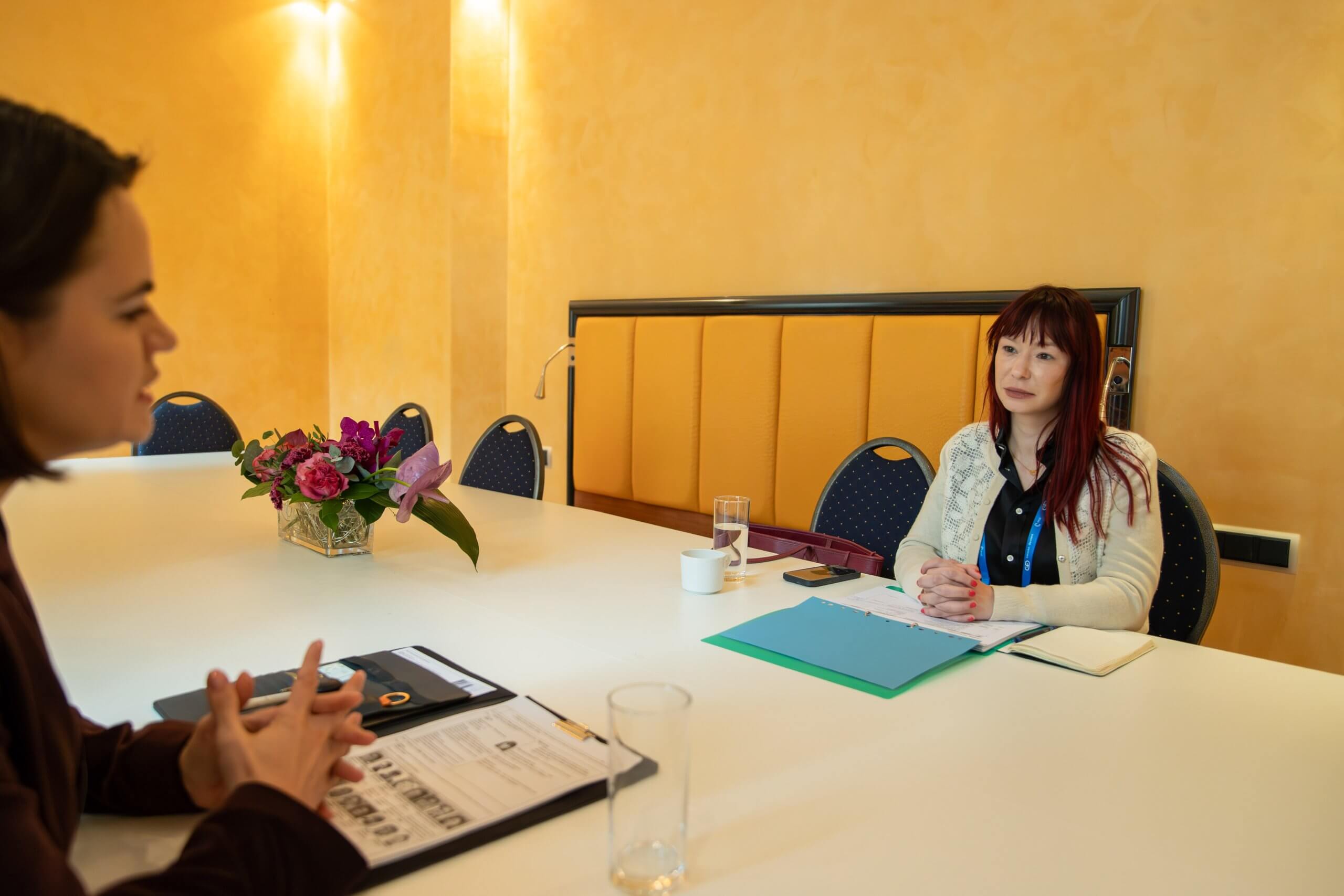
February 14, Pozirk. Belarus’ exiled opposition leader Śviatłana Cichanoŭskaja met with Benedetta Berti, secretary general of the NATO Parliamentary Assembly, to propose holding public and non-public events on Belarus within the framework of the Assembly’s session, which will take place in Vilnius between May 29 and June 1.
Cichanoŭskaja and Berti met on the sidelines of the Munich Security Conference, Cichanoŭskaja’s aide Franak Viačorka told Pozirk. Cichanoŭskaja shared the BelPol investigative group’s information about the assistance that Alaksandar Łukašenka’s regime is providing to Russia in its war against Ukraine and suggested holding a “closed-door briefing” for the NATO Parliamentary Assembly on the military-political situation in and around Belarus.
Cichanoŭskaja spoke about potential participation of Belarusian pro-democracy forces in this year’s Spring and Fall Sessions of the NATO Parliamentary Assembly in Lithuania and Germany, including possible speeches by Cichanoŭskaja, and the possibility of the participation of Belarusian pro-democracy forces in the NATO Parliamentary Assembly’s events in the same format as in the events of the Parliamentary Assemblies of the Council of Europe and the OSCE, Viačorka said.
Cichanoŭskaja stressed that Belarus is facing not only a humanitarian but also a security crisis, which is why she said cooperation with the NATO Parliamentary Assembly is very important. She informed Berti about the activities of For Democratic Belarus, a group that comprises representatives of 20 parliaments of European countries.
Cichanoŭskaja stressed the importance of safeguarding the sovereignty and independence of Belarus and democratizing it. As long as Łukašenka’s regime is in power, there will always be a threat to the neighboring Ukraine, Lithuania, Poland and Latvia, Viačorka quoted her as saying. Belarus should be discussed in the framework of the talks on Ukraine as Russia seeks to militarize Belarus and drag it into the war, she added.
Cichanoŭskaja also met with NATO Assistant Secretary General Boris Ruge to discuss the situation in Ukraine, the meeting between Cichanoŭskaja and Ukrainian President Volodymyr Zelensky that took place in Vilnius on 25 January, the impact of the Ukraine talks on the situation in Belarus and the military cooperation between Russia and the Łukašenka regime.
Cichanoŭskaja spoke about the militarization of the Belarusian economy and the deployment of Russia’s tactical nuclear weapons and Oreshnik missile system in Belarus.
Also under discussion was a possible visit by Cichanoŭskaja to the NATO Headquarters in Brussels and ways to secure the release of Belarusian political prisoners with the assistance of the United States.
Cichanoŭskaja stressed the importance of the firmness of NATO’s European members on sanctions against the Łukašenka regime, namely, that they should only be softened if the regime ends repression and its participation in the Russian aggression against Ukraine.
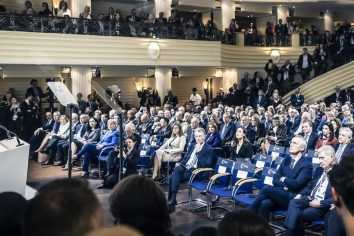
About 50 heads of state have confirmed their participation in the 2026 edition of the Munich Security Conference, scheduled for February 13-15. Cichanoŭskaja has taken part in the conference since 2022. This year, she has already participated as a speaker in the conference’s events for MSC Young Leaders and Women Political Leaders.
She has also met with Kajsa Ollongren, the EU special representative for human rights, and Andrius Kubilius, the European commissioner for defense and space.